Media


Context
Activities
Results
NEWSROOM EXPERTS
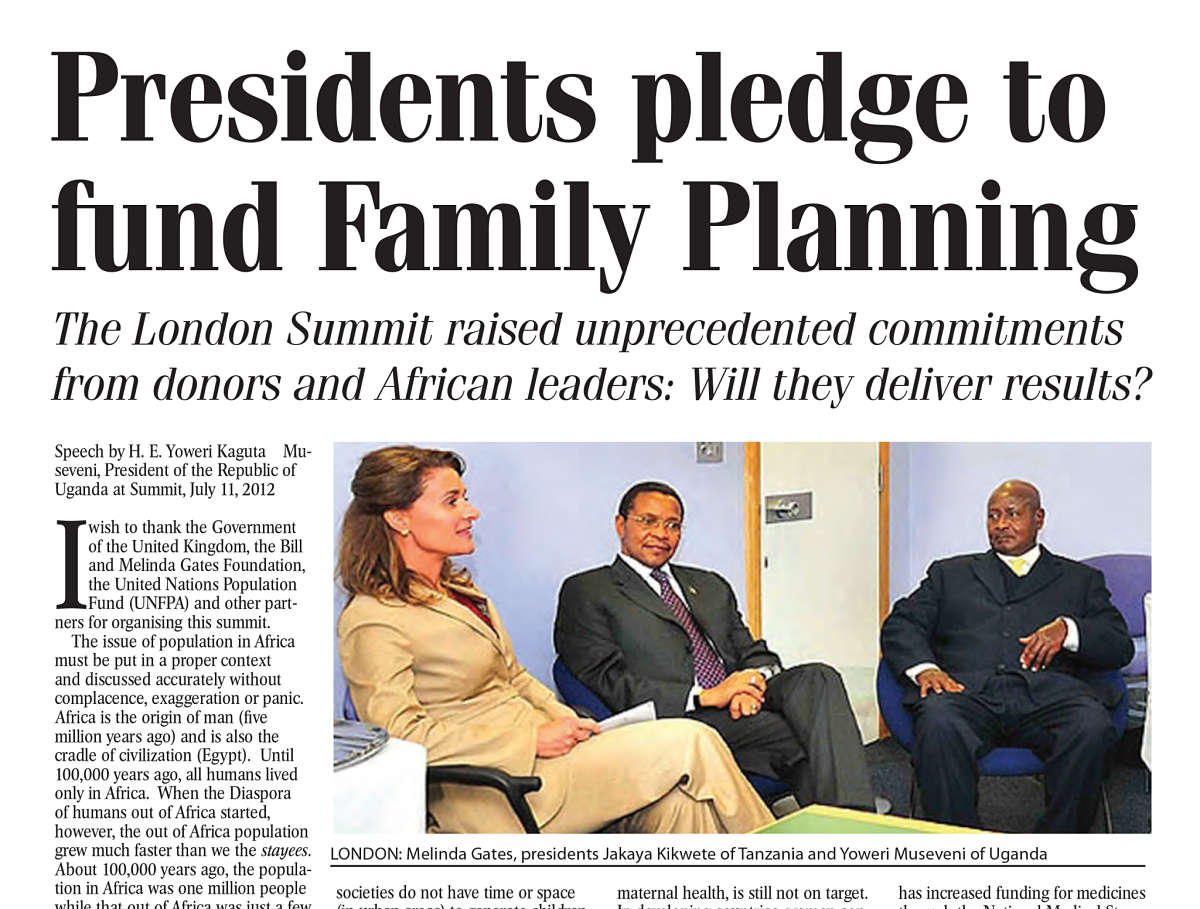
Under the IDEA project, more than 700 journalists from 25 countries participated in PRB training activities, resulting in more than 2,800 news stories and broadcast programs that reached millions of readers and listeners. PRB-trained journalists have often become newsroom experts on reproductive health and population issues, and many have won promotions to influential positions within their media institutions. Their work has also earned national and international awards, including the Population Institute’s prestigious Global Media Award. More important, their stories have prompted action that improves the lives of women and girls.
GOVERNMENT WATCHDOG
PRB-trained journalists have improved public accountability for government health services. In India, reporting by Women’s Edition participants had a direct impact. A TV reporter’s story in Mumbai prompted civic authorities to monitor maternal deaths in public hospitals throughout the city; another story led to the creation of health camps to care for pregnant women in the slums; and a third led to renewal of a family planning program that promoted birth spacing. During a national discussion on preventing and responding to rape, another Indian journalist’s reporting prompted the government to announce a long-promised pilot project establishing one-stop rape crisis centers in 600 public hospitals.
EARLY MARRIAGE
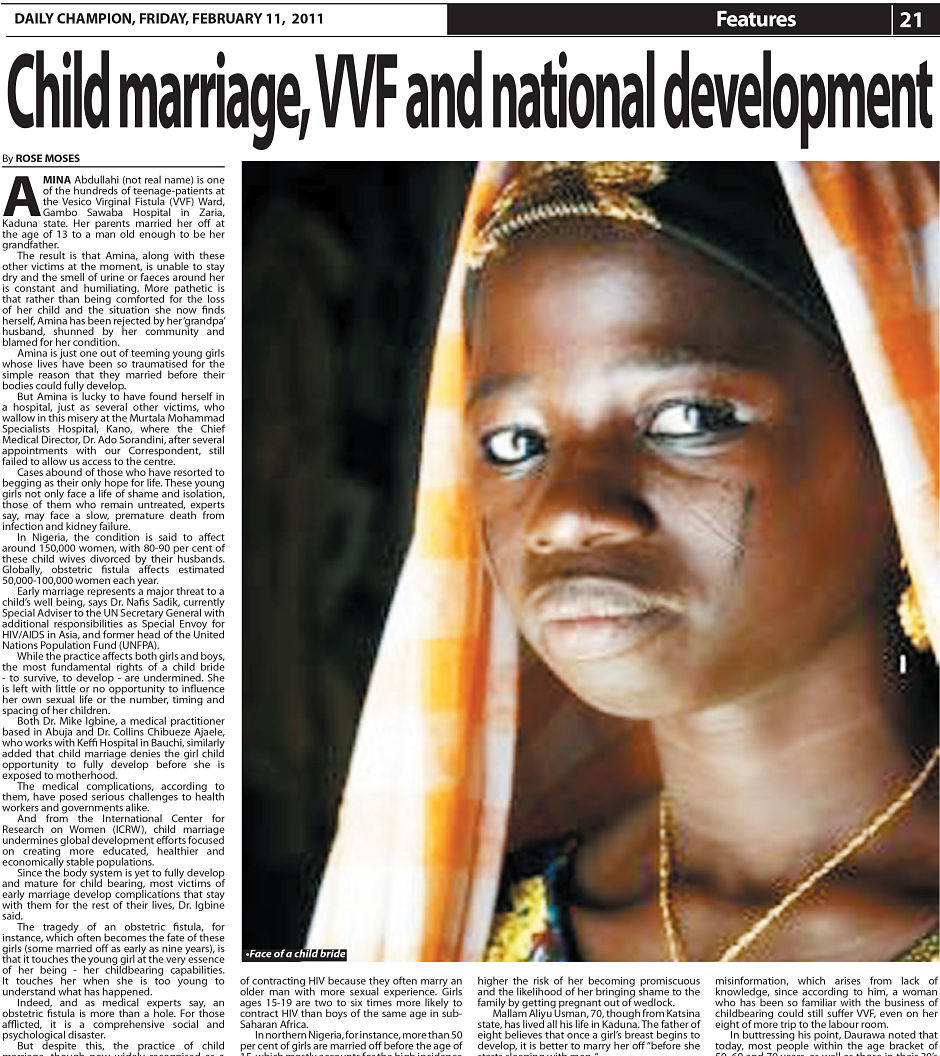
Stories drew attention to early marriage. Training and study tours helped Senegalese journalists generate a front-page story in the state-owned newspaper and coverage by radio stations about child marriage in the southern part of the country. The region’s governor thanked the media for spurring public discussion and leading local women to initiate action against early marriage.
JUSTICE FOR RAPE VICTIMS
Program participants helped bring justice for rape victims. A Kenyan journalist’s investigation sparked global outrage and led to successful criminal prosecutions after she uncovered the story of a 16-year-old girl who was gang-raped, thrown in a pit latrine, and left with life-altering injuries. In Pakistan, the country’s chief justice saw the story of a rural woman gang-raped in front of her husband and children; within 24 hours, eight suspects were arrested and later sentenced to prison.
Takeaways
PRB’s decades of experience training journalists have led to many lessons learned, especially as data literacy has become more important with information more readily available.
- Data-driven journalism requires reporters and editors to understand statistics and know how and when to use them both to find stories and to better inform readers, listeners, and viewers. Online tools can help journalists see trends and patterns in the numbers, and data visualization tools provide journalists with new ways to tell a story.
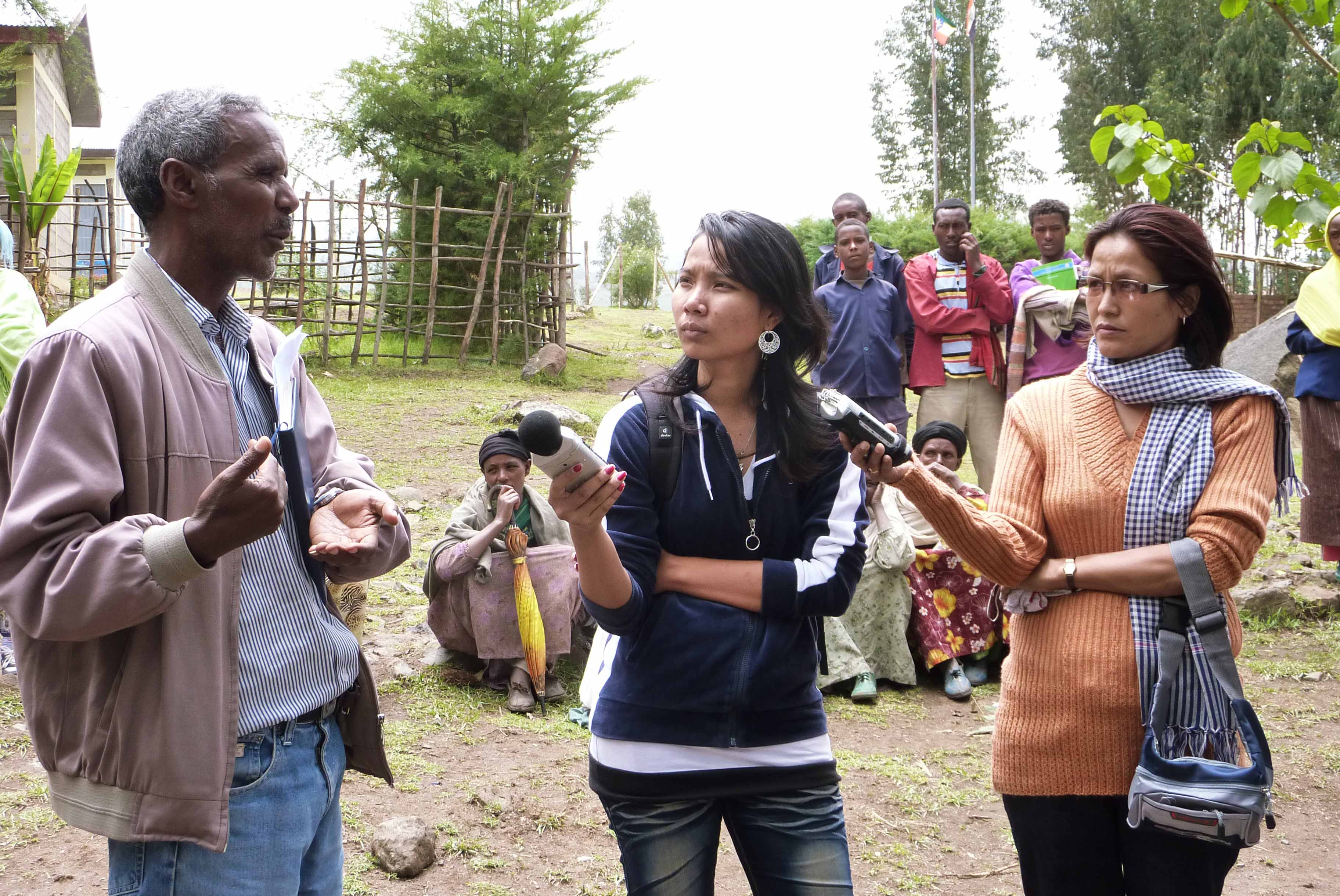
- Traditional reporting skills are essential, even as reporting methods may be changing. Journalists must understand the facts and the evidence if they are to report information accurately and hold governments accountable. PRB focuses on a core group of journalists, communicates with them regularly, and helps them to see problems and solutions from a policy perspective. Training also includes taking journalists into the field where they can witness problems and solutions and talk to the people affected.
- Holding governments accountable requires journalists to keep a watchful eye on promises made by leaders. Knowledgeable journalists can provide strong coverage of population and health issues in ways that compel policymakers to act.